
Abrasive
Materials that shape workpieces through controlled friction and wear.

Challiyan · CC BY-SA 4.0
An abrasive is a material, often a mineral, used to shape or finish a workpiece through rubbing, which wears away part of the workpiece by friction. Abrasives are extremely commonplace and are used extensively in a wide variety of industrial, domestic, and technological applications, leading to a large variation in their physical and chemical composition as well as shape. Ceramics used to cut, grind, and polish other softer materials are known as abrasives.
- field
- Materials science, manufacturing
- known_for
- Shaping and finishing workpieces through friction
- common_forms
- Bonded abrasives (blocks, wheels) and coated abrasives (sandpaper, belts)
- key_property
- Hardness difference between abrasive and workpiece
Lore & Background
Abrasives generally rely upon a difference in hardness between the abrasive and the material being worked upon, the abrasive being the harder of the two substances. However, any two solid materials that repeatedly rub against each other will tend to wear each other away, as seen with softer shoe soles wearing away wooden or stone steps over decades or glaciers abrading stone valleys. Materials used as abrasives are typically hard minerals rated at 7 or above on Mohs scale, or synthetic stones, though softer minerals like calcium carbonate are used as polishing agents in toothpaste.
Reader's Guide
Abrasives are fundamental to countless industrial and domestic processes, from grinding and polishing to cutting and sanding. Their significance lies in their ability to efficiently remove material through controlled friction, enabling the shaping and finishing of metals, stone, wood, and other materials. The choice of abrasive depends on factors such as hardness difference, grain size, adhesion, contact force, and the use of lubricants. Bonded abrasives, like grinding wheels, and coated abrasives, like sandpaper, are common forms. The field continues to evolve with synthetic abrasives that are often identical to natural minerals but manufactured for consistency. Understanding abrasion mechanics—including loading, dressing, and truing—is essential for effective use in precision work and large-scale manufacturing.
Did You Know?
- Files are not abrasives; they remove material by cutting action of sharp teeth, not by scratching or rubbing.
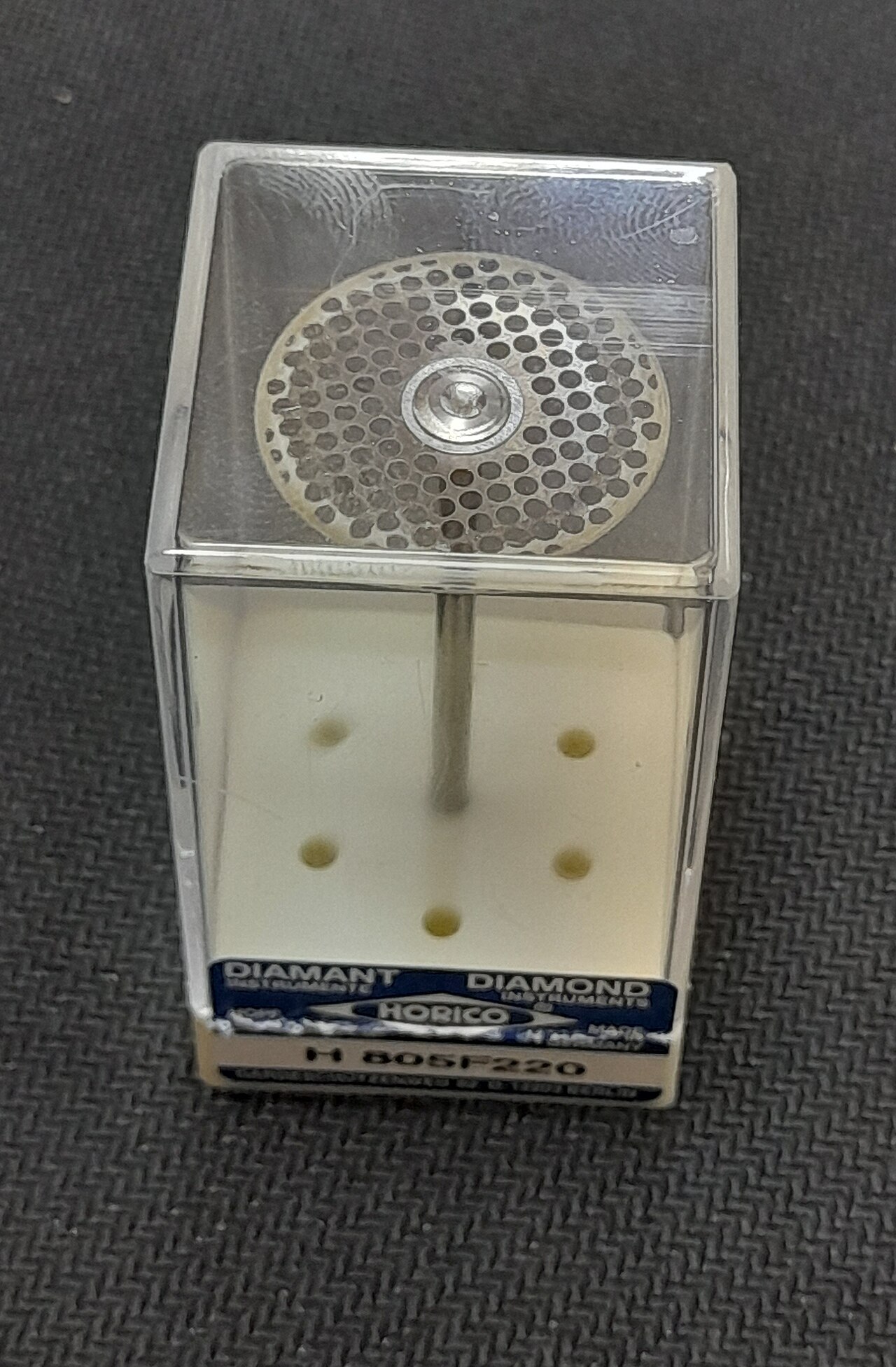
- Diamond files are a form of coated abrasive, being metal rods coated with diamond powder.
- Softer minerals like calcium carbonate are used as abrasives in toothpaste as polishing agents.
- Bonded abrasives need to be trued and dressed after use to restore shape and expose fresh grit.
Gallery

Frequently Asked Questions
What is Abrasive?
An abrasive is a hard material, typically a mineral, that removes material from a workpiece by rubbing against it and causing controlled wear through friction. It sits at the intersection of materials science and manufacturing.
What forms does Abrasive come in?
The two most common categories are bonded abrasives, which take the shape of solid blocks or grinding wheels, and coated abrasives, such as sandpaper sheets or sanding belts.
What is Abrasive's defining property?
The critical requirement is that the abrasive must be harder than the material it is working on, so that friction wears away the softer workpiece rather than the abrasive itself.
Where is Abrasive used in practice?
You will find abrasives in nearly every industrial workshop, in household tool kits, and inside advanced manufacturing processes, making them one of the most ubiquitous materials in modern production.
Why is Abrasive important to the field?
Because it is the fundamental mechanism behind cutting, grinding, and polishing operations, and its wide range of ceramic and mineral compositions allows it to handle an enormous variety of softer materials.
More in Construction & Materials 1-19
Spotted an error? Know more?
This is a living reference — every entry is fact-audited, and reader corrections feed straight into our audit queue. Suggest an edit · See this site's audit record