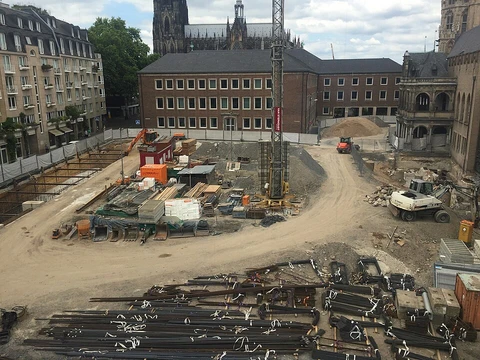
Ceramic
Hard, brittle, heat-resistant materials made from fired inorganic substances.

Goterrestrial · CC BY 4.0
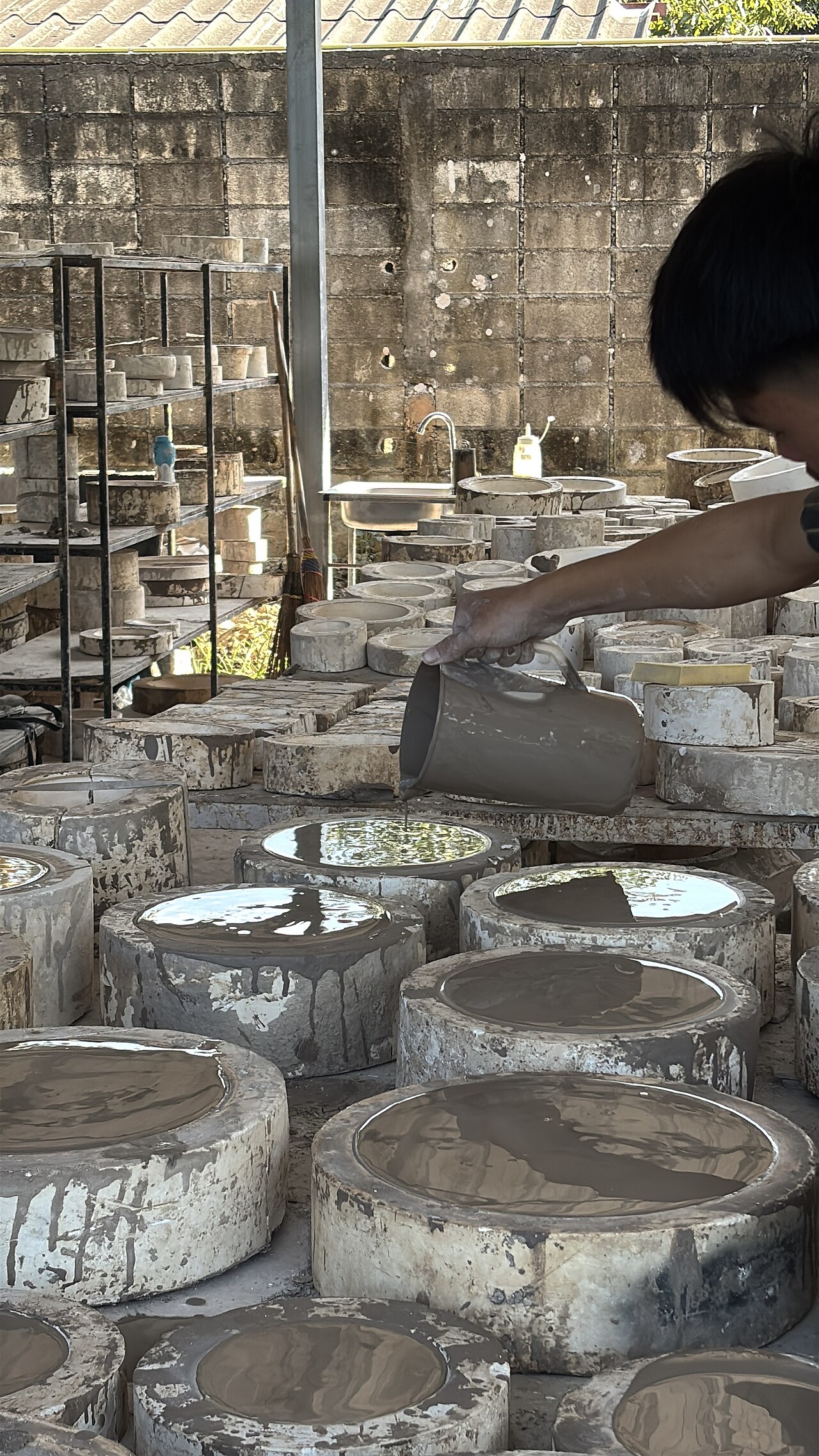
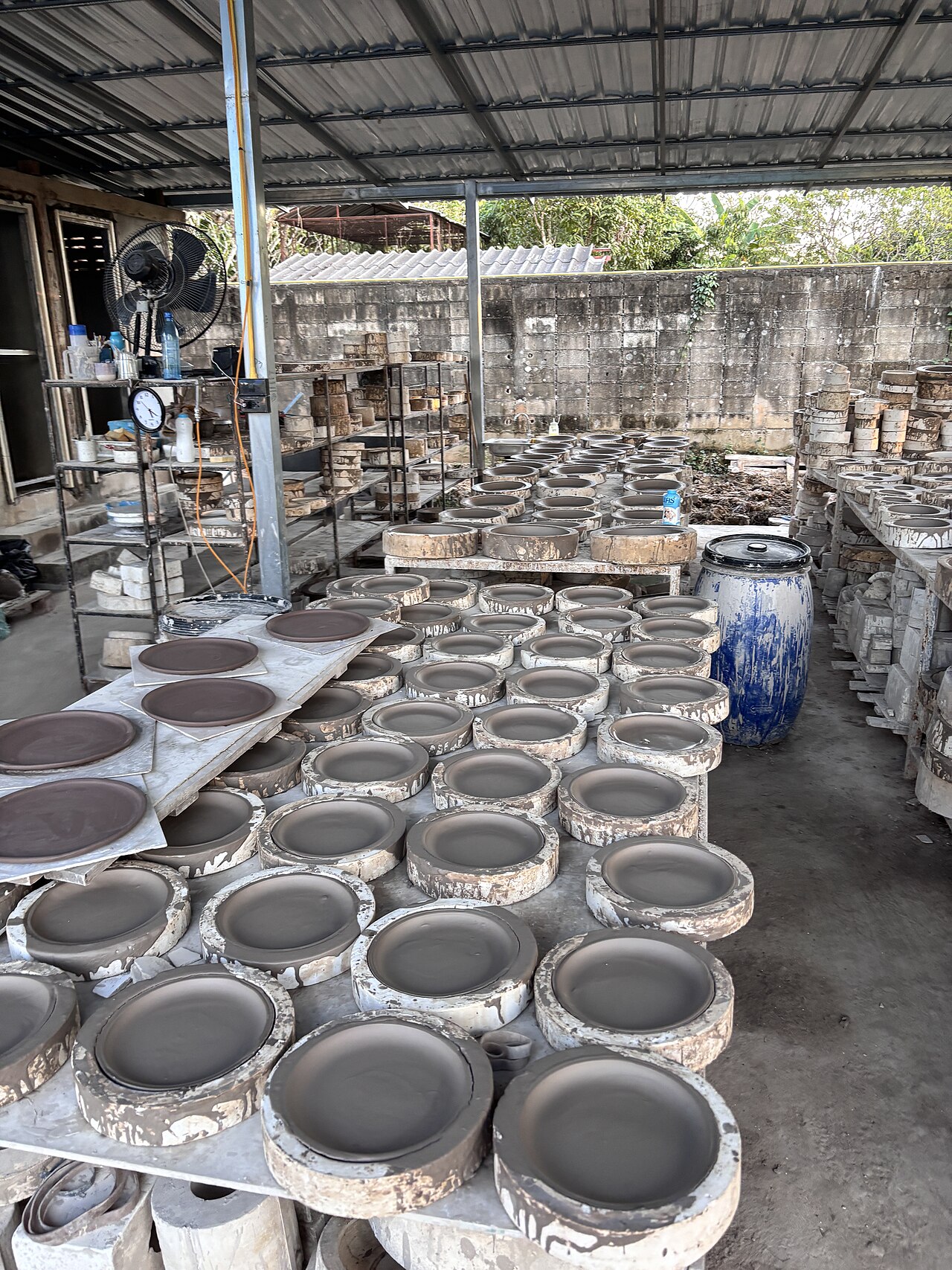
A ceramic is any of the various hard, brittle, heat-resistant, and corrosion-resistant materials made by shaping and then firing an inorganic, nonmetallic material, such as clay, at a high temperature. Common examples include earthenware, porcelain, and brick. Ceramics now encompass domestic, industrial, and building products, as well as advanced materials used in engineering, such as semiconductors.
- field
- Materials science, archaeology, engineering
- known_for
- Hard, brittle, heat-resistant, corrosion-resistant materials; earliest human-made ceramics were fired clay bricks
- key_properties
- High melting temperature, high hardness, poor conductivity, chemical resistance, low ductility
- word_origin
- Ancient Greek κεραμικός (keramikós), meaning 'of or for pottery'
Lore & Background
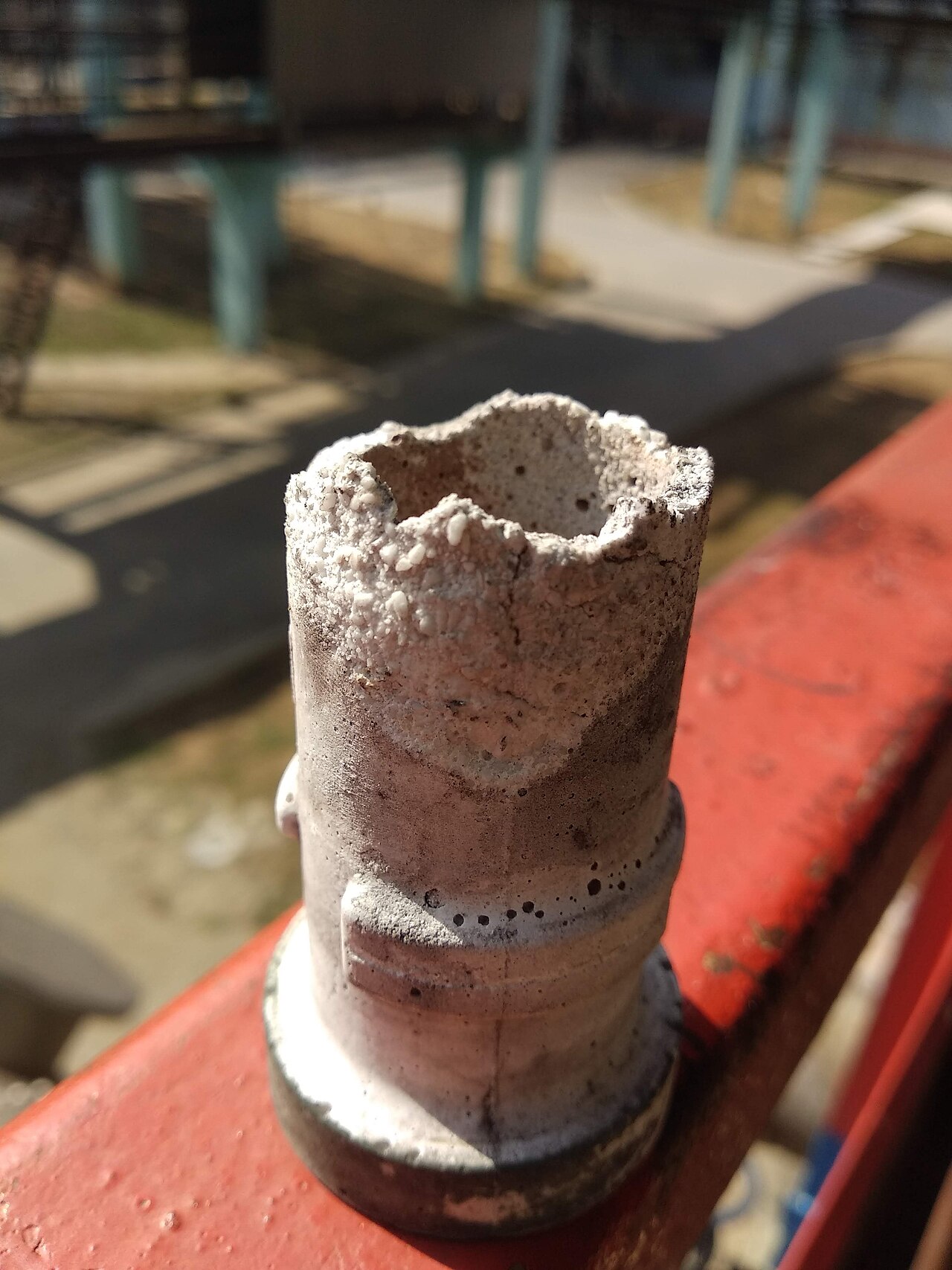
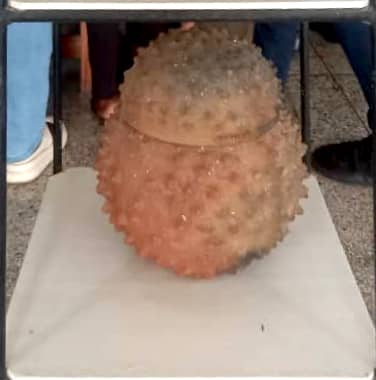
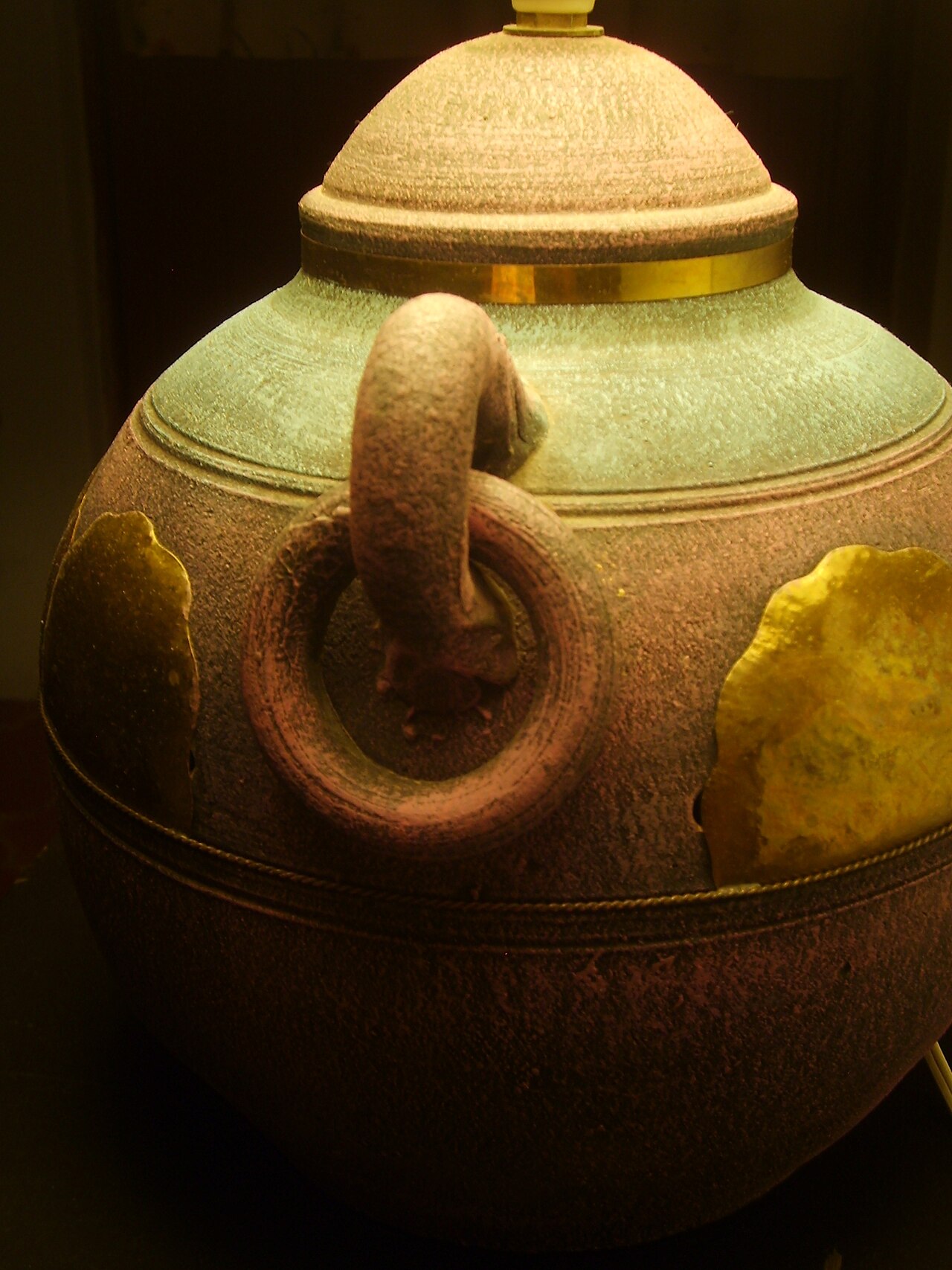
The earliest ceramics made by humans were fired clay bricks used for building house walls and other structures. Other pottery objects such as pots, vessels, vases, and figurines were made from clay, either by itself or mixed with other materials like silica, hardened by sintering in fire. Later, ceramics were glazed and fired to create smooth, colored surfaces, decreasing porosity through glassy, amorphous ceramic coatings on top of crystalline ceramic substrates.
Reader's Guide
The invention of the wheel led to smoother pottery using the throwing technique. Early ceramics were porous, but the discovery of glazing—coating pottery with silicon, bone ash, or other materials that melt into a glassy surface—made vessels less pervious to water. Ceramic artifacts are crucial in archaeology for understanding past cultures, technology, and behavior. Analysis of sherds (broken pottery fragments) involves traditional typological sorting by style, composition, and morphology, as well as technical examination of clay and temper to determine material source and possible manufacturing site. Modern advanced ceramics include silicon carbide and tungsten carbide, valued for abrasion resistance in mining equipment, and are used in medical, electrical, electronics, and armor industries.
Did You Know?
- The word ceramic comes from the Ancient Greek κεραμικός (keramikós), meaning 'of or for pottery'.
- The earliest known mention of the root ceram- is the Mycenaean Greek ke-ra-me-we, workers of ceramic, written in Linear B syllabic script.
- Many ceramics experts do not consider amorphous materials like glass to be ceramics, though heat treatments can convert glass into a semi-crystalline glass-ceramic.
- Ceramic artifacts are among the most common finds at archaeological sites, generally in the form of small fragments called sherds.
Gallery

Frequently Asked Questions
Who is Ceramic?
Ceramic is a broad family of hard, brittle, heat-tolerant materials created by shaping inorganic, nonmetallic substances such as clay and then firing them at very high temperatures. Everyday examples include porcelain tableware, earthenware pots, and structural bricks.
What are Ceramic's key powers and weaknesses?
Ceramic materials deliver extremely high melting points, outstanding hardness, and strong chemical-corrosion resistance, making them ideal for harsh environments. Their trade-offs are brittleness, poor electrical conductivity, and essentially zero ductility, so they crack rather than bend under stress.
Why is Ceramic important across the canon?
Ceramic sits at the crossroads of materials science, archaeology, and modern engineering because it covers everything from household goods and building products to advanced semiconductor substrates. Its versatility across domestic, industrial, and high-tech contexts makes it one of the most widely referenced material categories.
Where does Ceramic's story go next?
Ceramic's arc is far from finished, as the category now stretches into cutting-edge advanced materials for electronics, aerospace, and precision engineering. New formulations continue to push the limits of heat resistance, structural performance, and functional properties beyond traditional earthenware and porcelain.
More in Construction & Materials 1-19
Spotted an error? Know more?
This is a living reference — every entry is fact-audited, and reader corrections feed straight into our audit queue. Suggest an edit · See this site's audit record