Canvas
Durable plain-woven fabric used for painting, sails, and more.

MangakaMaiden Photography · CC BY 2.0
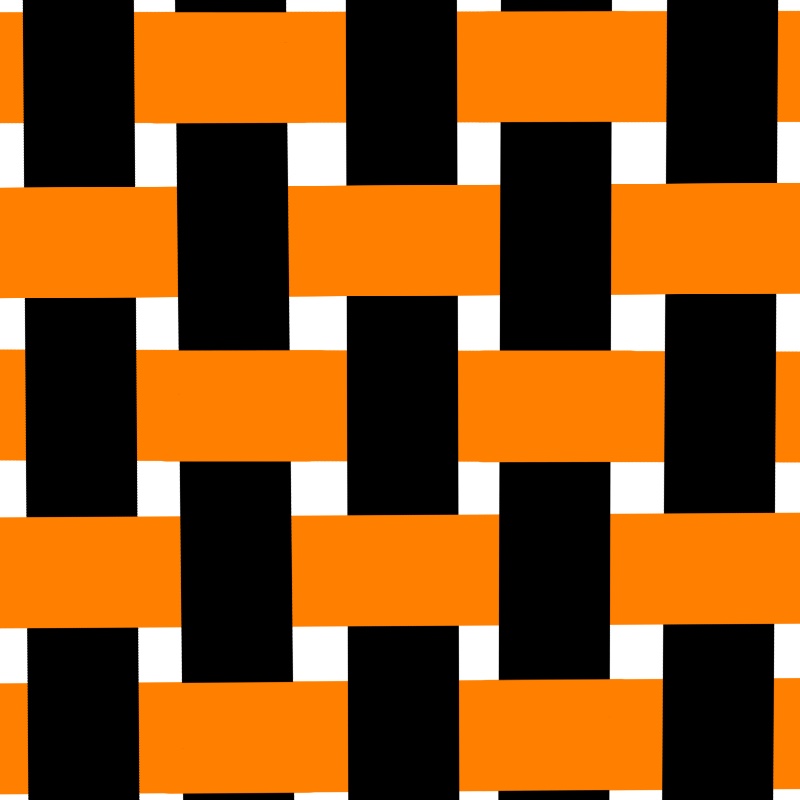
Canvas is a durable plain-woven fabric used for making sails, tents, marquees, backpacks, shelters, as a support for oil painting and for other items for which sturdiness is required, as well as in such fashion objects as handbags, electronic device cases, and shoes. It is popularly used by artists as a painting surface, typically stretched across a wooden frame. Although historically made from hemp, modern canvas is usually made of cotton, linen, or sometimes polyvinyl chloride (PVC). It differs from other heavy cotton fabrics, such as denim, in being plain weave rather than twill weave.
- material
- Plain-woven fabric
- historical_material
- Hemp
- modern_materials
- Cotton, linen, polyvinyl chloride (PVC)
- types
- Plain and duck
- classification
- By weight (ounces per square yard) and graded number system
- etymology
- Derived from 13th century Anglo-French canevaz and Old French canevas, from Vulgar Latin cannapaceus ('made of hemp'), from Greek κάνναβις (cannabis)
Lore & Background
Canvas has been used since at least the 13th century, when it was applied as a covering layer on pavise shields, strengthened with gesso and painted in tempera. Large paintings for country houses were more likely to be on canvas, as it was less expensive than panel painting. Panel painting remained more common until the 16th century in Italy and the 17th century in Northern Europe; Mantegna and Venetian artists were among those leading the change, as Venetian sail canvas was readily available and regarded as the best quality.
Reader's Guide
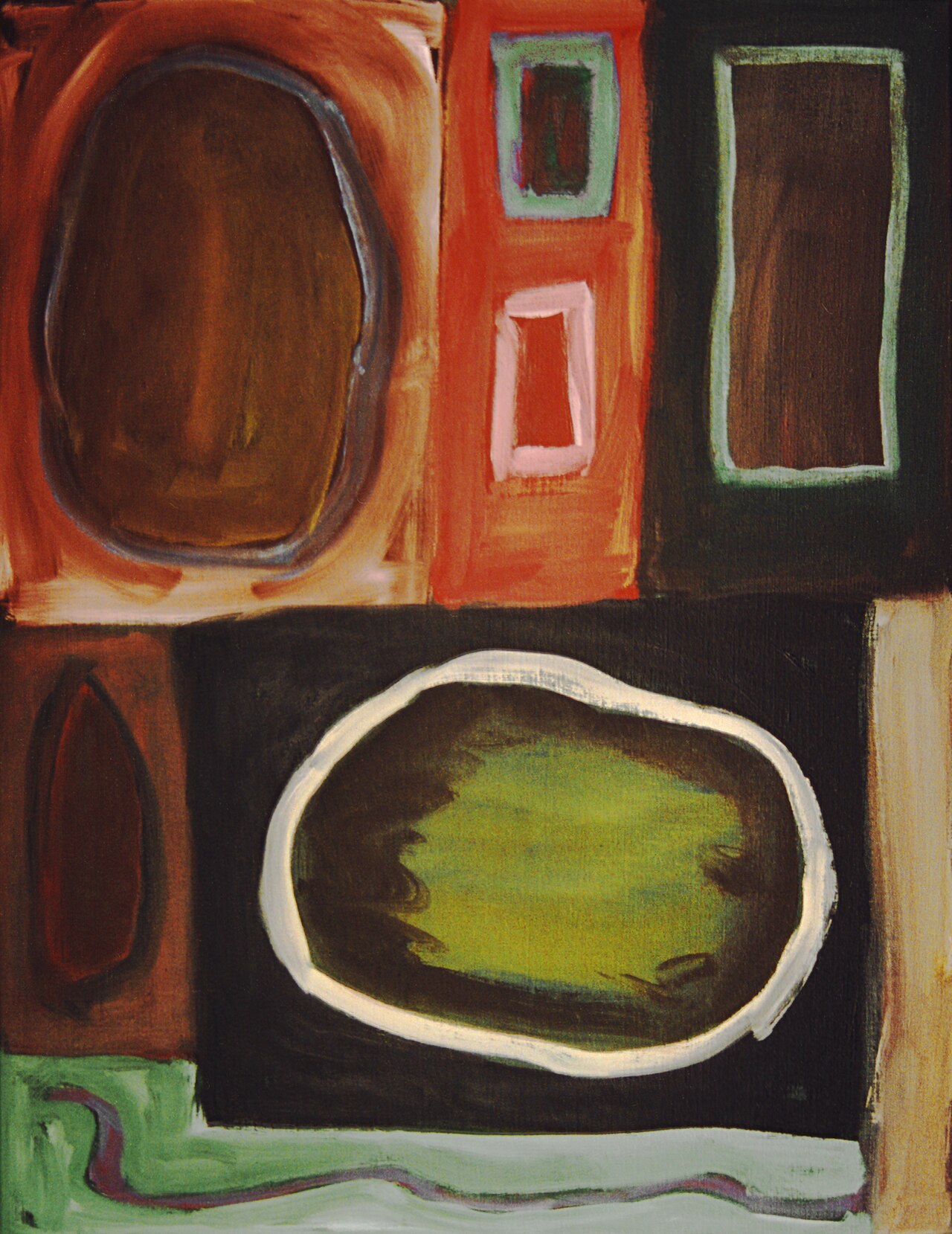
Canvas has been a common support medium for oil painting, acrylic painting, pour paint, watercolor, and other media, replacing wooden panels. It is usually stretched across a wooden frame called a stretcher and may be coated with gesso prior to use to prevent oil paint from decaying the fibers. Traditional gesso was composed of lead carbonate and linseed oil over rabbit skin glue; modern alternatives include synthetic latex paint. Many artists have painted onto unprimed canvas, including Jackson Pollock, Kenneth Noland, Francis Bacon, Helen Frankenthaler, and others. The advent of acrylic paint increased the popularity of cotton duck canvas. Canvas is also used for embroidery such as cross-stitch and Berlin wool work, and can be printed on using offset or specialist digital printers to create canvas prints. Understanding the mechanical properties of art canvases is necessary for art conservation, especially when deciding on transporting paintings, conservation treatments, and environmental specifications inside museums.
Did You Know?
- The term 'duck' comes from the Dutch word for cloth, 'doek'.
- Canvas is classified in the United States by weight (ounces per square yard) and by a graded number system where a number ten canvas is lighter than number four.
- Canvas was used as a covering layer on pavise shields from the 13th century onwards, applied to strengthen the wooden shield corpus.
Nautical Roots and the Birth of a Word
The term tarpaulin is a linguistic artifact of the age of sail, born from the marriage of two words: tar and palling. Originally it described a tarred canvas pall, essentially a waterproofed cloth sheet, used aboard ships to shield cargo and equipment from the elements. The practice was so pervasive that sailors extended the same tar treatment to their own overclothes, and by association seafarers earned the enduring nickname jack tars. By the mid-nineteenth century the shortened form paulin had entered common usage for this type of protective cloth. What began as a practical maritime solution to keep water off wooden decks and stored goods gradually evolved into a general-purpose covering material that would eventually outgrow its nautical origins entirely. The etymology preserves, in a single compound word, the memory of a specific shipboard technique: coating a flexible sheet in tar to make it impervious to rain.
The Material Spectrum: From Polyethylene to Vinyl
Tarpaulins span a wide range of construction methods and materials, each with distinct performance characteristics. Polyethylene tarps, colloquially called polytarps, are not true fabrics but laminates: a loosely woven core of polyethylene plastic strips is bonded on both faces with sheets of the same material, yielding a stretch-resistant, waterproof surface. These can be made from either low-density or high-density polyethylene, and when treated against ultraviolet degradation they survive years of outdoor exposure; without that treatment, sunlight rapidly embrittles the material and destroys its water resistance. Canvas tarps, by contrast, are water-resistant rather than fully waterproof. Brief exposure is fine, but standing water will eventually seep through. At the industrial end, vinyl tarpaulins are built from ten ounces per square yard of coated yellow polyvinyl chloride, delivering full waterproofing alongside exceptional abrasion resistance, tear strength, and immunity to oil, acid, grease, and mildew, making them suited to agriculture, construction, flood barriers, and trucking. Silnylon represents yet another option, particularly for lightweight tarp tents.
A Thousand Practical Lives
Tarpaulins serve an astonishingly broad range of functions across everyday life, emergency response, and specialized craft. In construction and disaster recovery they shield partially built or damaged structures from wind, rain, and sun, contain debris, and keep work areas clean during painting. They cover the open loads of trucks and wagons, protect stacked lumber from moisture, and form the walls of tents and other temporary shelters. In the advertising world, tarpaulins are the standard medium for large-format billboards, and perforated versions, punched with openings ranging from twenty to seventy percent, are specifically engineered for scaffolding wraps and medium-to-large signage to reduce wind loading. In amateur boatbuilding, polyethylene tarps have become a go-to material for constructing small plywood sailboat sails; with the right adhesive tape, a functional sail can be assembled without any sewing at all. Perhaps most culturally significant, plastic tarps have been adopted as a building material in some indigenous North American communities, where tipis constructed from them are known locally as tarpees.
Grading, Sizing, and the Language of Quality
Tarpaulins are classified along multiple axes: material composition, thickness measured in mils or grouped into tiers like regular, heavy, and super heavy duty, grommet construction, and weave density. A notable practical detail is that actual dimensions run three to five percent smaller than the nominal size printed on packaging, so a twenty-by-twenty-foot tarp will in reality measure closer to nineteen by nineteen feet. Grommets, which may be aluminum, stainless steel, or other alloys, are typically spaced between eighteen inches and five feet apart, and their reinforcement level is a key quality differentiator. Weave count, usually between eight and twelve threads per square inch, directly correlates with tensile strength. Additional specifications include washability, waterproofing, mildew resistance, and, critically, flexibility in cold temperatures, where a brittle tarp is far less useful than a supple one. In the United States a traditional color-coding system has long helped buyers distinguish grades: blue denotes a lightweight tarp with an eight-by-eight weave and roughly five to six thousandths of an inch of thickness, while silver signals a heavy-duty product with a fourteen-by-fourteen weave and about eleven to twelve thousandths of an inch, though not every manufacturer adheres to this convention.
Gallery




Frequently Asked Questions
Who is Canvas?
Canvas is a tough plain-woven textile that has served as a go-to structural material for centuries. It is classified by its weight in ounces per square yard and comes in plain and duck varieties.
What are Canvas's powers/role?
Canvas handles heavy-duty jobs like sails, tents, backpacks, and shelters, while also serving as the stretched surface artists paint oil works on. Its plain weave structure is what gives it the tensile strength those applications demand.
Why is Canvas important?
Its plain weave sets it apart from twill-woven heavy cottons like denim, making it uniquely suited for load-bearing and structural tasks. It bridges practical engineering with the fine arts, serving both industrial and creative communities in a single material.
What materials make up Canvas?
Contemporary canvas is most often spun from cotton or linen, with polyvinyl chloride (PVC) available as a synthetic option. It is graded through both an ounce-per-square-yard weight scale and a separate numbered classification system.
More in Construction & Materials 1-19
Spotted an error? Know more?
This is a living reference — every entry is fact-audited, and reader corrections feed straight into our audit queue. Suggest an edit · See this site's audit record