Brush
A versatile tool with bristles for cleaning, painting, and grooming.

Gobonobo · CC BY-SA 4.0
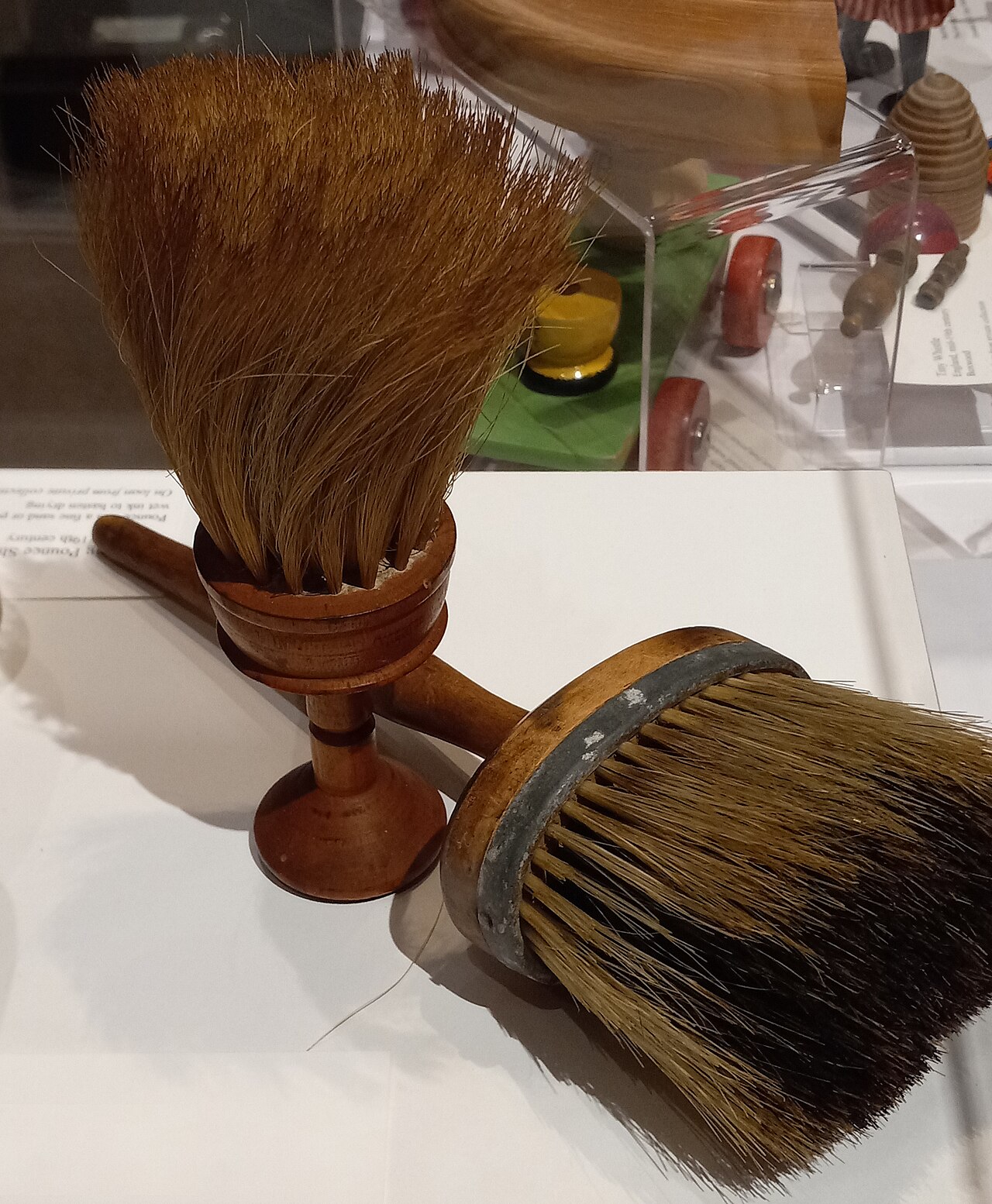
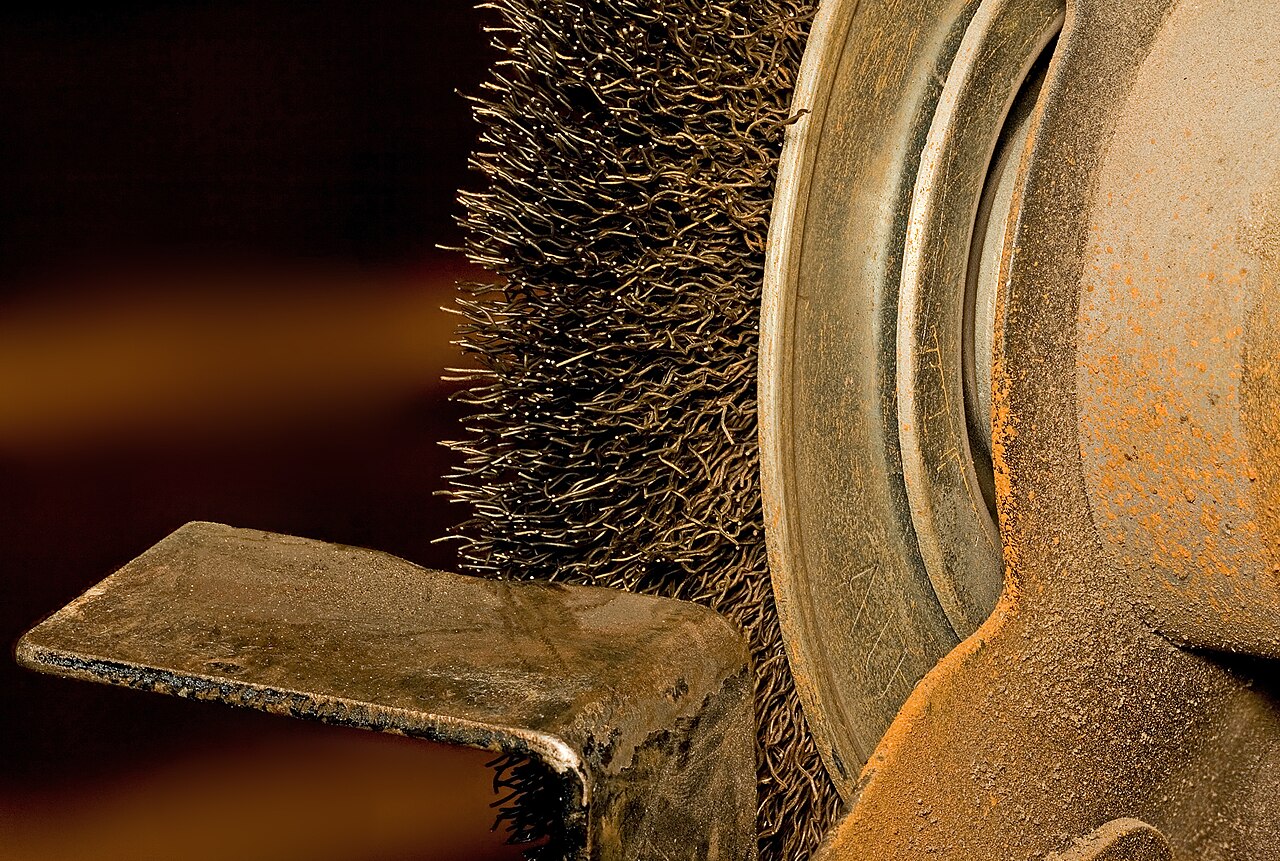
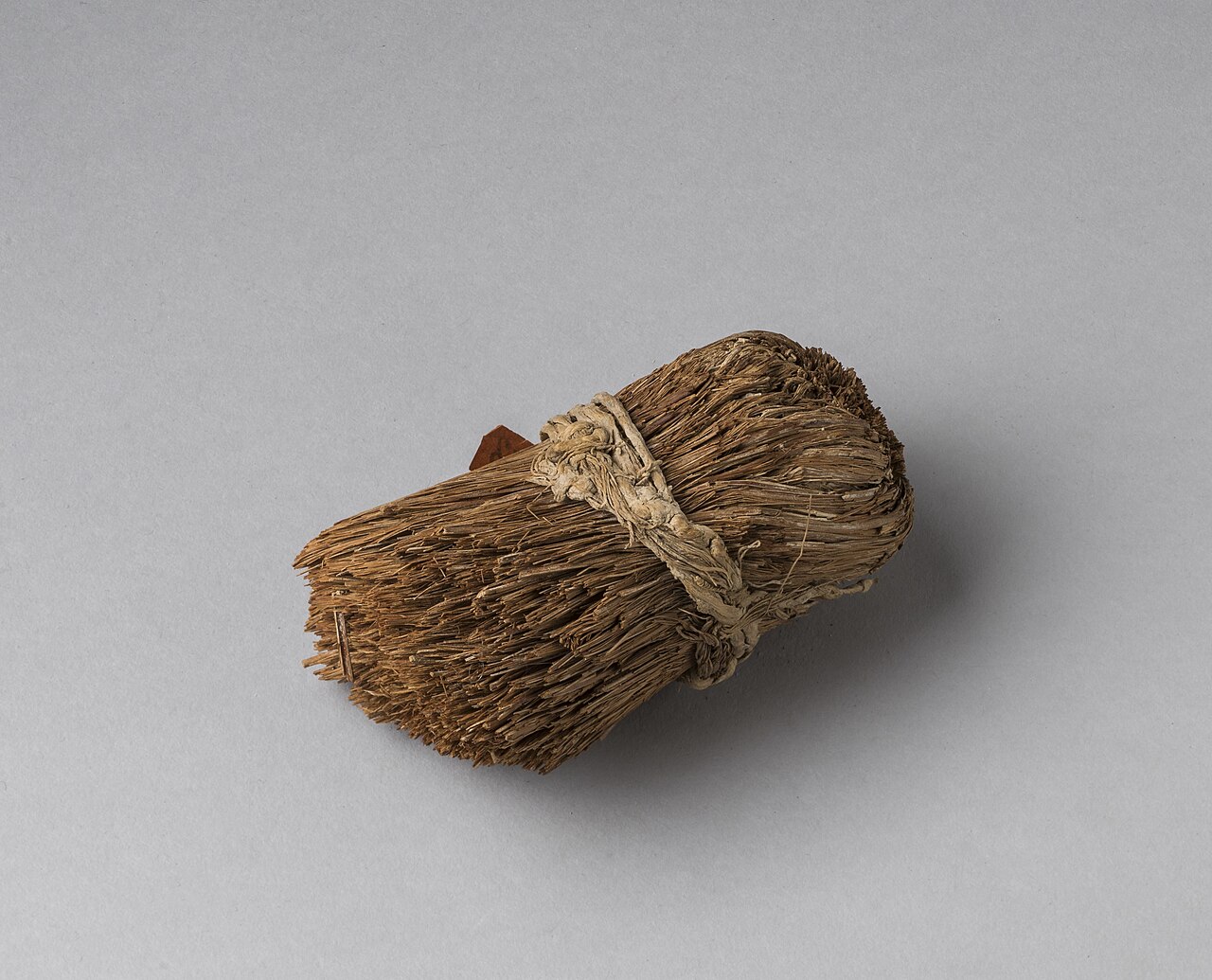
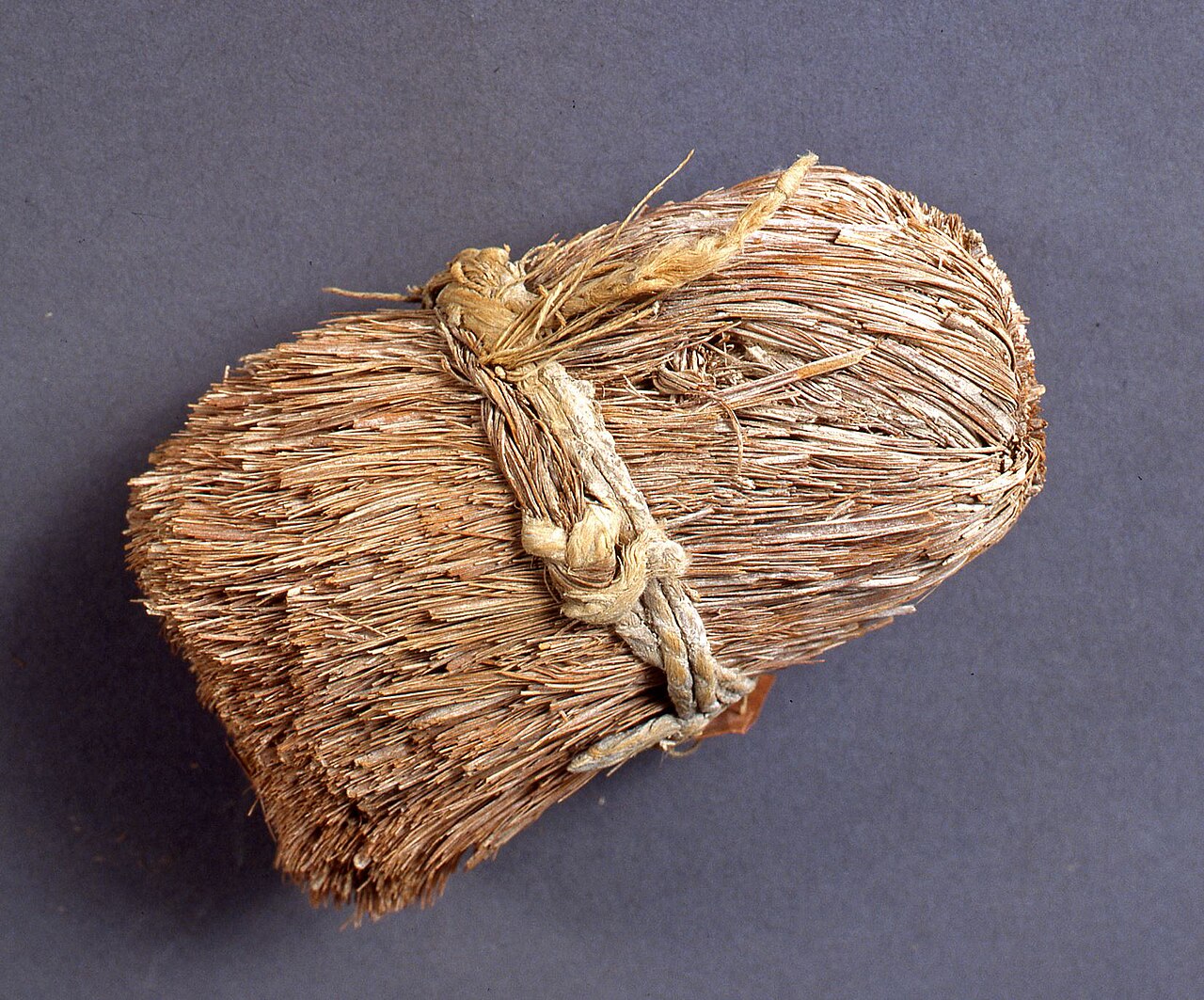
A brush is a common tool with bristles, wire, or other filaments, generally comprising a handle or block to which filaments are affixed in either a parallel or perpendicular orientation. It is used for cleaning, grooming hair, makeup, painting, surface finishing, and many other purposes, making it one of the most basic and versatile tools in use today, with the average household containing several dozen varieties.
- earliest known civilization
- Egyptians
- field
- Tool manufacturing
- known for
- Versatile tool for cleaning, painting, grooming, and industrial applications
Lore & Background
The industrial revolution in the 18th and 19th centuries marked the mechanization and mass production turning point for brush manufacturing. In the 1850s, the first machines designed for drilling brush handles were patented, and Anton Zahoransky is noted as the pioneer of brush-inserting machines. Modern manufacturing uses CNC machines, tufting, and epoxy-set methods for industrial applications.
Reader's Guide
Its significance lies in its adaptability across countless domains: art, hygiene, cooking, manufacturing, and aerospace. The development of metal ferrules and mechanized tufting machines during the industrial revolution transformed brush making from a handcraft into a mass-produced industry. Today, advanced 5-axis brush-making machines enable highly complex designs, while epoxy-set brushes meet critical standards in food processing and pharmaceuticals. The variety of filaments—from animal hair to nylon, polyester, and metallic wire—allows brushes to be tailored for specific tasks, such as abrasion resistance, chemical compatibility, or heat tolerance. The brush remains an essential household and industrial item, with the average home containing several dozen varieties. Its legacy is one of continuous innovation, from the first writing brushes to modern cleanroom-compatible designs.
Did You Know?
- The first mass-produced toothbrush was created in the 1700s by William Addis, who drilled holes into a substrate to secure ferrules with glue.
- Epoxy-set brushes are used in food processing and aerospace industries to prevent contamination and meet HACCP compliance.
Gallery

Frequently Asked Questions
What exactly is a Brush in the construction & materials world?
A brush is a handheld tool built around a handle or block to which bristles, wire, or similar filaments are attached. The filaments may run parallel to or at right angles with the handle, giving the tool its familiar shape. It ranks among the most fundamental implements found in any workshop or home.
What can a Brush actually be used for?
Beyond painting and cleaning, brushes handle hair grooming, makeup application, and industrial surface finishing. Their sheer versatility is why a typical household accumulates dozens of different brush types over the years.
How is a Brush put together structurally?
The core design pairs a rigid handle or block with a dense cluster of filaments—whether natural bristles, synthetic fibers, or metal wire. Those filaments are secured either running parallel to or perpendicular to the handle, depending on the task the brush is meant to perform.
Why do fans of construction & materials keep pointing to the Brush as a must-know entry?
It sits at the intersection of nearly every trade and household chore, from masonry finishing to everyday cleaning. Its simple construction and wide range of applications make it a foundational reference point for understanding tool design in general.
More in Construction & Materials 1-19
Spotted an error? Know more?
This is a living reference — every entry is fact-audited, and reader corrections feed straight into our audit queue. Suggest an edit · See this site's audit record