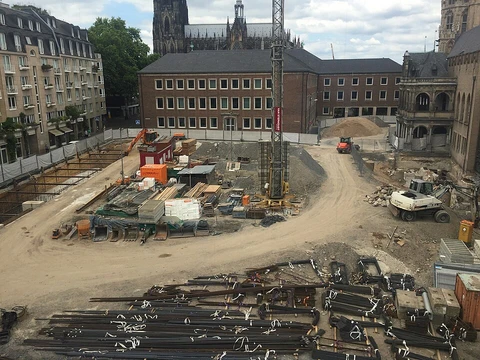
Chimney
A vertical structure for venting smoke and toxic gases.

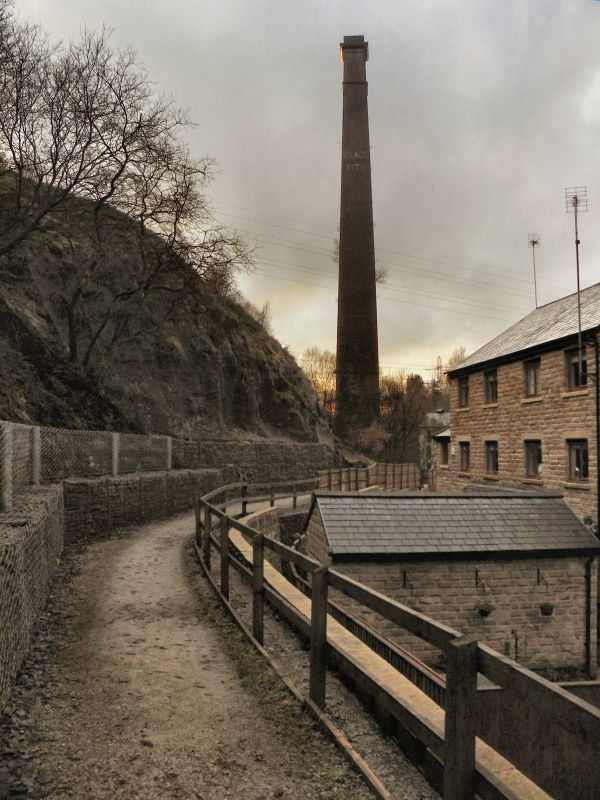
Gerald England · CC BY-SA 2.0
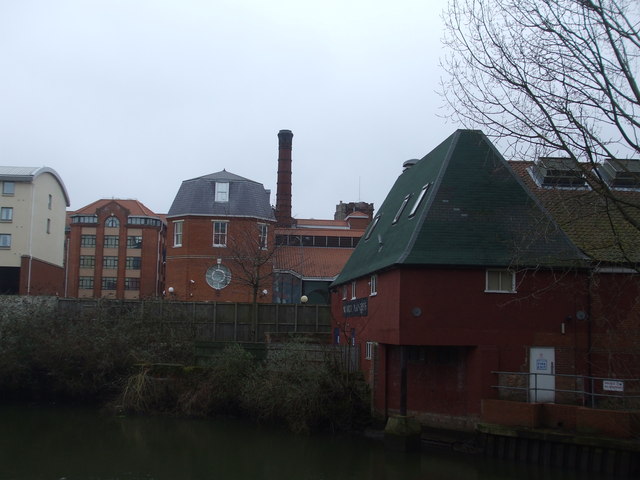
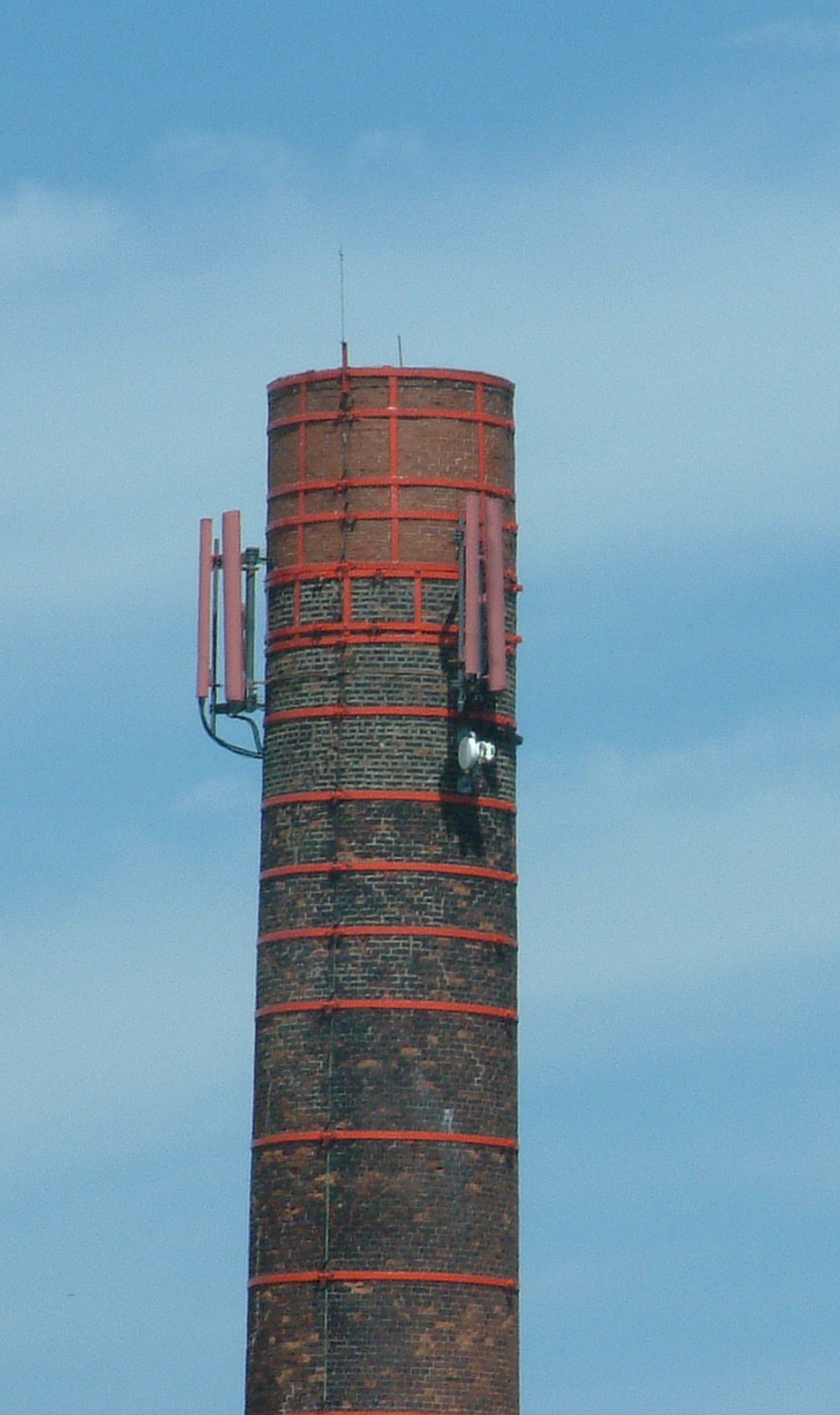
A chimney is an architectural ventilation structure made of masonry, clay or metal that isolates hot toxic exhaust gases or smoke produced by a boiler, stove, furnace, incinerator, or fireplace from human living areas. Chimneys are typically vertical to ensure smooth gas flow, drawing air into combustion via the stack effect. The space inside a chimney is called the flue. Chimneys are adjacent to large industrial refineries, fossil fuel combustion facilities, or part of buildings, steam locomotives, and ships. In the United States, the term smokestack industry refers to the environmental impacts of burning fossil fuels by industrial society, including the electric industry during its earliest history.
- first_known_use
- Roman era (industrial chimneys in bakeries)
- common_in_houses
- 16th and 17th centuries
- industrial_chimneys_became_common
- late 18th century
- materials
- masonry, clay, metal, brick, stone, reinforced concrete
- key_function
- ventilation and pollutant dispersion via stack effect
Lore & Background
Industrial chimney use dates to the Romans, who drew smoke from their bakeries with tubes embedded in the walls. Domestic chimneys first appeared in large dwellings in northern Europe in the 12th century. Smoke hoods were an early method of collecting smoke into a chimney; these were typically much wider than modern chimneys and started relatively high above the fire, allowing more heat to escape into the room. Another step in development was the use of built-in ovens for home baking. Industrial chimneys became common in the late 18th century. Chimneys in ordinary dwellings were first built of wood and plaster or mud, then traditionally of brick or stone. Early chimneys were of simple brick construction; later ones placed bricks around tile liners. To control downdrafts, venting caps (chimney pots) with various designs are sometimes placed on top. In the 18th and 19th centuries, methods to extract lead from its ore produced toxic fumes; in northern England, long near-horizontal chimneys were built, often more than 3 km long, terminating in a short vertical chimney in a remote location. Lead and silver deposits formed inside these chimneys, and workers periodically scraped them off. Today's central heating systems have made chimney placement less critical, and non-structural gas vent pipe allows flue gas conduit to be installed around obstructions. Most modern high-efficiency heating appliances do not require a chimney. Industrial chimneys are commonly referred to as flue-gas stacks and are generally external structures. Today, reinforced concrete has almost entirely replaced brick as a structural element in industrial chimneys; refractory bricks are often used as a lining, especially for acidic flue gases.
Reader's Guide
Chimneys have been essential for human habitation and industry for centuries, enabling safe removal of smoke and toxic gases from living and working spaces. Their development from Roman bakeries to modern industrial stacks reflects advances in construction materials and understanding of airflow. The stack effect, which relies on vertical height to draw gases upward, also allows dispersion of pollutants over a wider area, reducing local concentrations and helping meet regulatory limits. Chimneys have shaped architecture, from medieval keeps to contemporary homes, and their design—including flue liners, caps, and cowls—addresses issues of draft, moisture, and animal intrusion. In the United States, the term 'smokestack industry' highlights the environmental impact of fossil fuel burning. The legacy of chimneys includes both their practical function and their role in industrial pollution, with modern high-efficiency appliances often eliminating the need for a traditional chimney. The variety of materials and construction methods, from brick to reinforced concrete, demonstrates ongoing adaptation to safety and efficiency standards.
Did You Know?
- In the 18th and 19th centuries, long near-horizontal chimneys over 3 km long were built in northern England to carry toxic lead fumes to remote locations.
The Physics of Draft: How a Chimney Works
A chimney is, at its core, a vertical channel designed to separate the dangerous byproducts of combustion from the people who live or work nearby. Constructed from masonry, clay, or metal, it channels hot, toxic exhaust gases—whether they originate from a boiler, a domestic stove, a furnace, an incinerator, or a simple fireplace—upward and away from occupied spaces. The interior passage is called the flue, and the entire system relies on a principle known as the stack or chimney effect: by keeping the structure as close to perfectly vertical as possible, the rising hot gases create a natural draft that simultaneously pulls fresh air into the combustion zone. This elegant interplay of buoyancy and geometry means a chimney needs no mechanical fan to function. You will find these structures not only rising from residential rooftops but also standing beside large industrial refineries, fossil-fuel combustion plants, steam locomotives, and the superstructures of ships, where they are often called smokestacks or funnels.
From Roman Bakeries to Industrial Giants
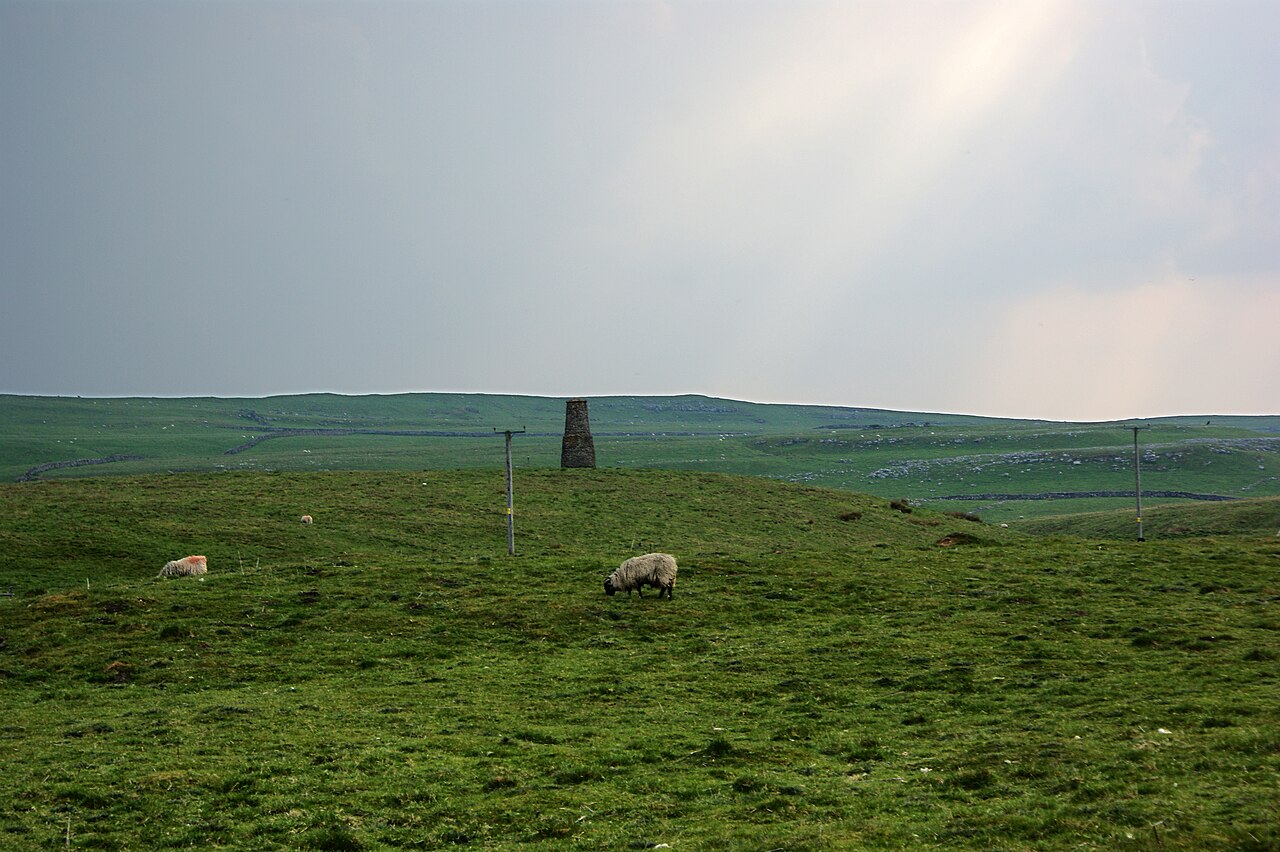
The story of the chimney stretches back to ancient Rome, where engineers embedded tubes into the walls of bakeries to draw smoke away from bakers. Domestic chimneys, however, did not appear in northern European homes until the twelfth century. The oldest surviving English example sits in the keep of Conisbrough Castle in Yorkshire and dates to 1185, yet household chimneys remained a luxury until the sixteenth and seventeenth centuries. Early solutions like smoke hoods were broad, open structures that began well above the fire; because the rising air was cooler, they could be built from less fireproof materials, though they sacrificed a great deal of warmth to the room. The addition of built-in ovens marked another milestone, giving households the ability to bake at home. Industrial chimneys became widespread only in the late eighteenth century. In northern England during the eighteenth and nineteenth centuries, lead-smelting operations produced such toxic fumes that builders constructed near-horizontal flues stretching more than three kilometres, terminating in a short vertical stack in a remote spot. Workers periodically crawled inside these long passages to scrape off valuable deposits of lead and silver that had accumulated on the inner walls.
Engineering the Stack: Residential and Industrial Construction
Residential chimney design has always been shaped by material constraints. Because brick struggles to resist lateral forces, traditional houses often featured a single vertical stack serving a fireplace on every floor, typically placed at the front and back of the building. Modern central heating has relaxed these constraints, and high-efficiency appliances now bypass chimneys entirely, venting through a noncombustible wall thimble into the outside air. Where a chimney does penetrate a pitched roof, a system of flashing—an apron on the down-slope side, step flashing along the flanks, and a cricket to divert water—seals the joints against the elements. Industrial chimneys, often called flue-gas stacks, are freestanding structures positioned beside boilers or furnaces, with ductwork carrying the gases to them. Reinforced concrete has largely supplanted brick as the primary structural material, and refractory brick linings protect the interior when acidic flue gases are present. A striking example is the 300-metre stack at the Secunda synthetic-fuel plant in South Africa, whose 26-metre-diameter concrete windshield houses four 4.6-metre flues lined with refractory bricks mounted on corbel rings spaced every ten metres.
Height, Dispersion, and the Regulatory Landscape
Beyond their role in moving hot gases, chimneys serve a critical environmental function. The greater the height of a stack, the more effectively the stack effect carries flue gases into the external atmosphere, and the higher those pollutants are released, the less concentrated their impact on the immediate neighbourhood. Spreading emissions over a wider area lowers local concentrations, a strategy that helps operators meet regulatory limits. In the United States, the phrase "smokestack industry" has become shorthand for the broader environmental toll of fossil-fuel combustion, a legacy that stretches back to the earliest days of the electric power sector. The same colloquial term "stack" also describes the exhaust structures on locomotives and ships. At the residential level, building codes in many regions have required flue liners since the 1950s. These secondary barriers—made of clay tile, metal, or poured-in-place concrete—shield the masonry from acidic combustion byproducts, keep flue gas from seeping into living spaces, and correct an oversized flue. Clay tile liners dominate in the United States, though they are the only type that fails to meet Underwriters Laboratories 1777 approval and are prone to cracking and installation errors.
Gallery
Frequently Asked Questions
What is a chimney in construction terms?
A chimney is a vertical structure designed to channel smoke and toxic exhaust gases away from occupied spaces. It works by creating a natural draft that draws combustion air in while pushing hot gases upward and out into the atmosphere.
What materials are chimneys typically built from?
Common construction materials include masonry, clay, metal, brick, stone, and reinforced concrete. The specific choice depends on whether the chimney serves a residential fireplace, a steam locomotive, or a large industrial refinery.
How does a chimney create airflow without a fan?
The vertical design relies on the stack effect, in which hot gases rise naturally and pull cooler air down into the combustion source. This self-sustaining draft keeps exhaust moving upward continuously without mechanical assistance.
What is the difference between a chimney and a flue?
The flue is the internal passage or hollow space inside a chimney through which smoke and gases actually travel. The chimney is the full structural enclosure, while the flue is just the functional channel that separates hot exhaust from the surrounding masonry and living areas.
More in Construction & Materials 1-19
Spotted an error? Know more?
This is a living reference — every entry is fact-audited, and reader corrections feed straight into our audit queue. Suggest an edit · See this site's audit record